



5 Everyday Food Essentials for Collagen Production
Your skincare routine can’t do it all. Behind the glossy promises of anti-ageing serums and high-end creams, there’s a simple truth: after your 30s, your body’s collagen production slows down.1
Because collagen is a key structural protein in skin and connective tissues, you might see the effects in your skin’s appearance and tissue integrity. Yet as skin experts warn of a collagen deficit exacerbated by poor diets and rising UV exposure, the real story is how accessible foods like garlic and vitamin C-rich fruits could help sustain your skin’s structural glue, without the need for quick cosmetic top-ups.
While you can't stop the clock, you can ensure your collagen production pathway has a steady supply of high-grade raw materials. Building collagen is a precise biological process that relies on a carefully balanced toolkit of amino acids, vitamins, and minerals. 1 You can make a start by prioritising these five staples in your daily menus.

1. Protein-Rich Foods: The Building Blocks of Collagen
Collagen is often talked about as if it were a coat of paint, something you can simply apply to the outside of a building to keep it looking fresh. In reality, collagen is the very steel and mortar of your biological structure. As the most abundant protein in the human body, it provides the tensile strength for your skin, the resilience of your cartilage, and the integrity of your connective tissues.2
Collagen is made up of tiny units called amino acids, which are the building blocks of protein. Three of these - glycine, proline, and lysine - play key roles in collagen structure. While your body can produce glycine and proline, lysine is an essential amino acid that must come from your diet. Maintaining a balanced and varied intake ensures you provide all the building blocks necessary to meet your body's demands.
Nutrition Solutions:
Foods like bone broth, slow-cooked shanks, and skin-on poultry provide collagen in a ready-to-use form. When you consume these, your digestive system breaks the collagen down into small pieces called peptides, which are then reassembled into new collagen where it's needed. If you don’t eat animal protein, focus on soy, legumes, and quinoa. While they don’t contain collagen directly, they are rich in lysine, the essential amino acid your body cannot make on its own.

2. Plant Foods That Help Your Body Make Collagen
For those following a vegan or plant-based diet, the strategy shifts from consuming collagen components to optimising the body's own internal production line. Since plants don’t contain collagen, you need to focus on getting the key amino acids and minerals your body uses to make collagen and keep the process running smoothly.
Why Lysine Matters:
Of the three primary amino acids in the collagen toolkit, lysine is particularly noteworthy, especially for those following a plant-based diet. Lysine is like a biological architect; it helps to facilitate the cross-linking between collagen strands, creating the bridges necessary for a stable and resilient structure. Providing a consistent supply of lysine through your diet is a key factor in supporting the maintenance of healthy connective tissues.2
Food Sources:
Legumes are the heavy hitters here. Tempeh, lentils, and chickpeas are excellent sources. For an extra top-up, pumpkin seeds and pistachios provide a significant amount of lysine per gram, making them an easy addition to meals or snacks to help support your body’s structural integrity.

3. Shellfish and Seeds: Minerals that Activate Collagen Enzymes
You can eat all the amino acids you want, but without zinc, your collagen-building team just sits idle. Zinc is an important cofactor for the key enzymes (like collagenases) needed to heal wounds and repair and rebuild collagen.3
Why Zinc Matters:
Zinc-dependent enzymes play a natural role in the normal metabolism and turnover of proteins such as collagen. Working together with other enzymes, they help maintain the normal structure and function of skin and connective tissues.3
Food Sources:
Oysters and other shellfish like crab and lobster are the gold standard, containing more zinc per serving than any other food. 3 If shellfish isn't on the menu, pumpkin seeds, lentils, tofu and chickpeas offer a potent plant-based alternative.3

4. Garlic and Alliums: Sulphur-Rich Support for Collagen
Sulphur is often overlooked, yet it is the secret ingredient keeping your connective tissue strong. Sulphur is required for the production of chondroitin sulphate, a key component of cartilage, and it plays a vital role in keeping your collagen matrix stable and sturdy.
Why Sulphur Matters:
Sulphur-rich compounds found in Allium foods like garlic help form disulfide bonds, the chemical glue that keeps collagen strands tightly linked.4 These bonds strengthen your collagen, helping it withstand daily wear and tear.
Food Sources:
Load your pan with garlic, onions, and leeks. Don’t stop there, cruciferous vegetables like Brussels sprouts and broccoli are also sulphur-rich powerhouses that provide the structural support your skin and joints crave.

5. Citrus and Berries: Vitamin C Essentials for Collagen
If there is one non-negotiable in the collagen story, it is Vitamin C. In the 1700s, sailors lost their teeth and reopened old wounds (scurvy) because, without Vitamin C, their bodies literally fell apart.
Why Vitamin C Matters:
Vitamin C helps certain enzymes do their job in building collagen properly, which keeps the collagen fibres strong and well-structured.5
Food Sources:
While oranges get the glory, red bell peppers, Brussels sprouts and strawberries often contain more Vitamin C per gram.5 A handful of berries brings vitamin C to your morning plate, supporting normal skin and connective tissue – the perfect start to your day.
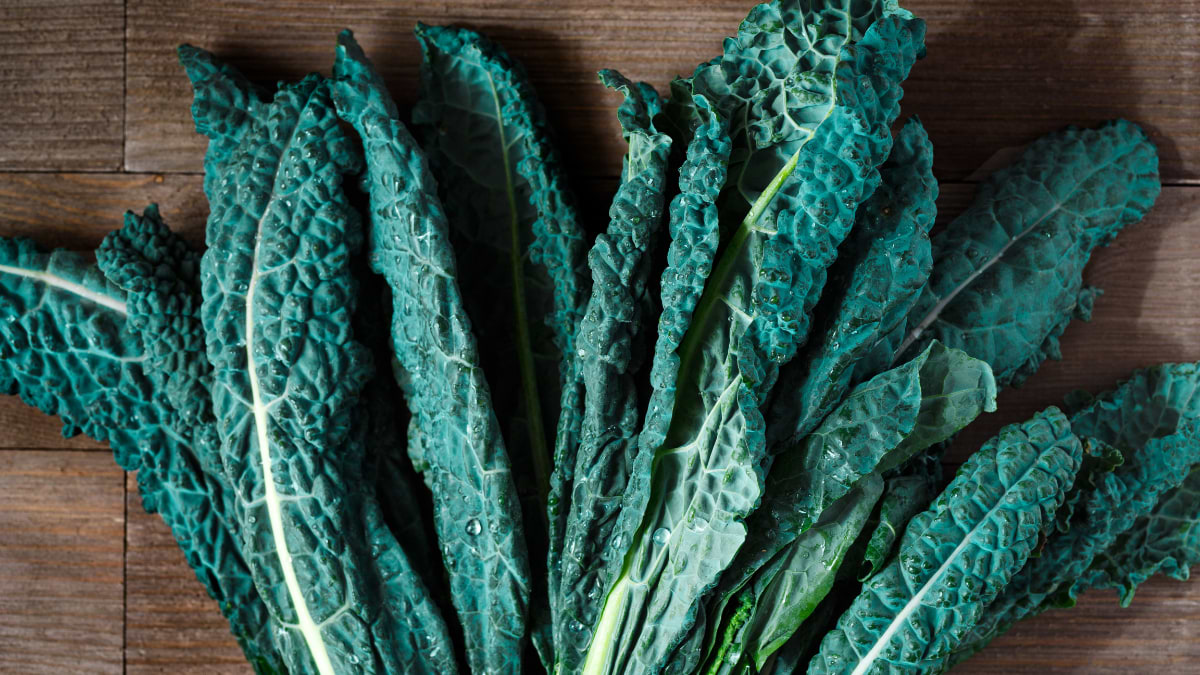
6. Dark Leafy Greens: Antioxidant Protection for Collagen
Finally, it's not just about building collagen; it's about defending it too. Oxidative stress, from UV rays, pollution, and metabolism, acts like biological rust that can weaken your structural integrity over time.
Why Greens Matter:
Leafy greens like spinach and kale are rich in chlorophyll - a compound that has been investigated for its effects on skin ageing via antioxidant effects, pro-collagen signalling and protection against oxidative damage.5 What’s more, the magnesium found in these greens is a vital mineral that supports over 300 biochemical reactions, including normal protein synthesis.6
Food Sources:
Aim for a collagen-protective plate: a base of dark greens such as broccoli, kale, or cavolo nero, topped with toasted nuts and seeds (for added magnesium) and a squeeze of lemon (for a shot of vitamin C).

Bridging the Nutrient Gap
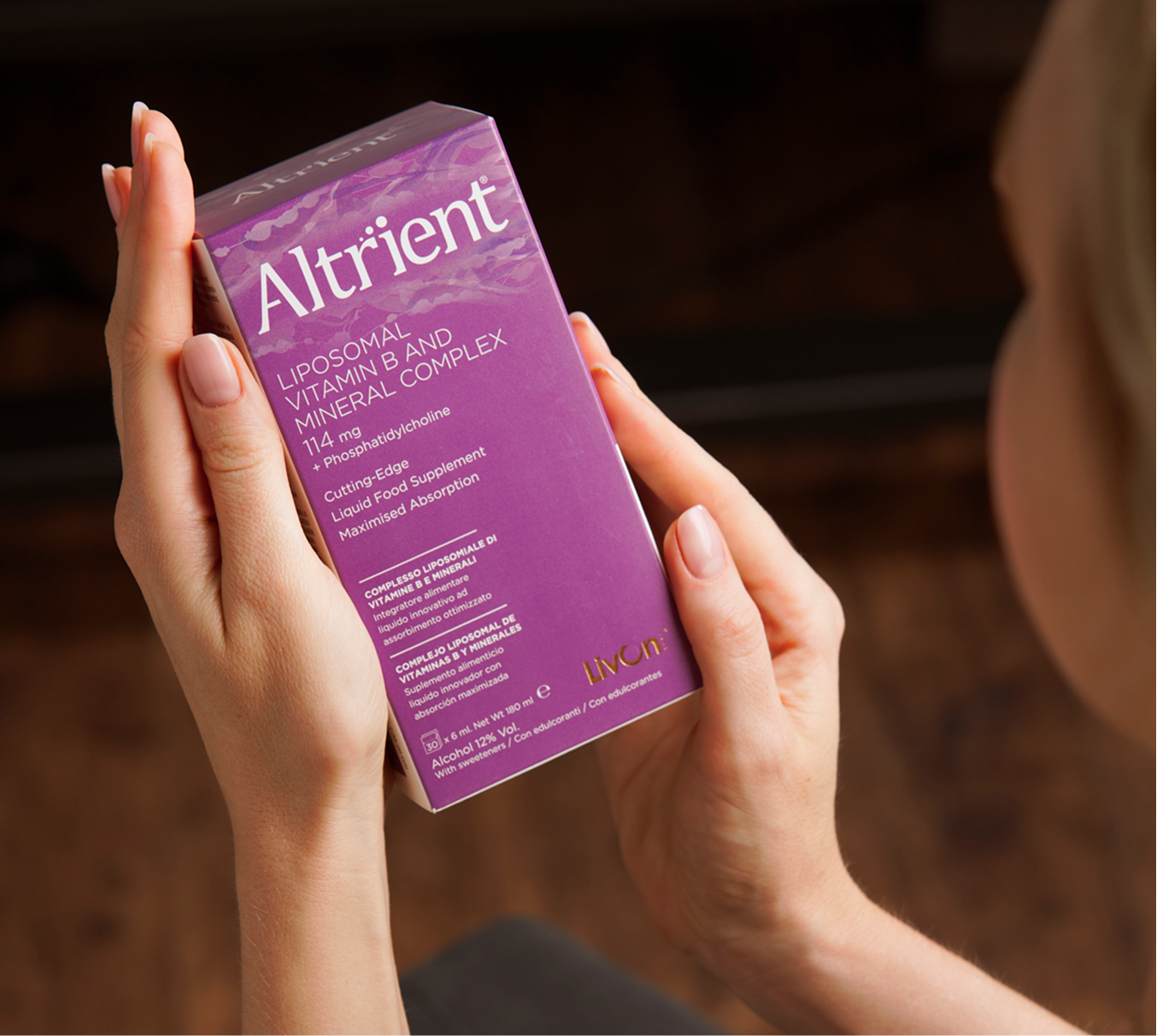
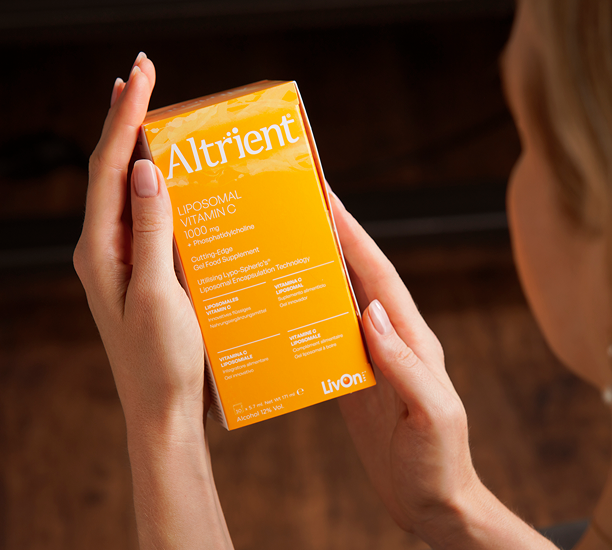
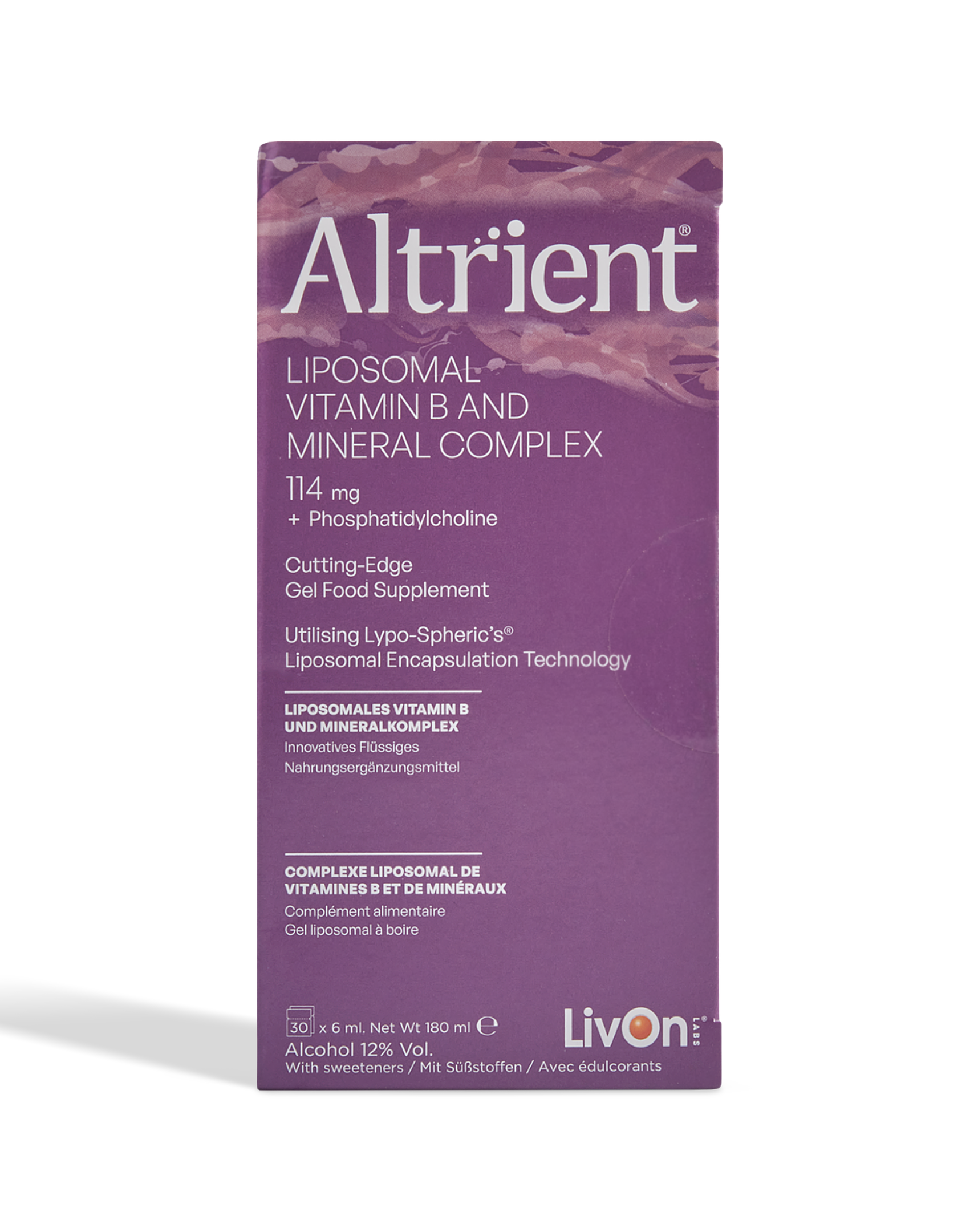
While a food-first approach is the ideal, modern lifestyles and the declining nutrient density of some soils mean that targeted supplementation can play a supportive role. When choosing supplements, look for those that mimic the synergy found in nature.
-
Zinc contributes to the maintenance of normal skin, hair, and nails, and protects cells from oxidative stress.4
-
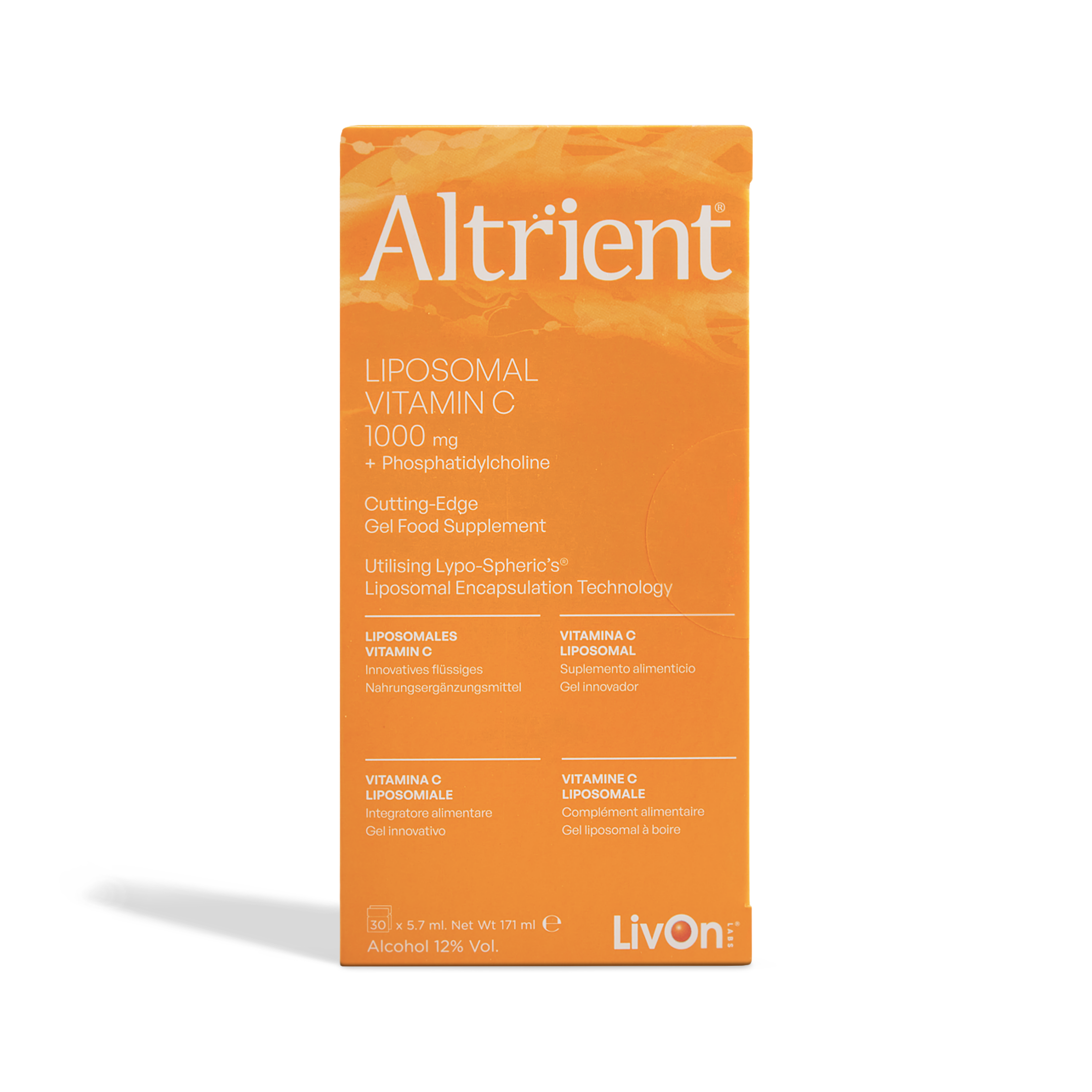
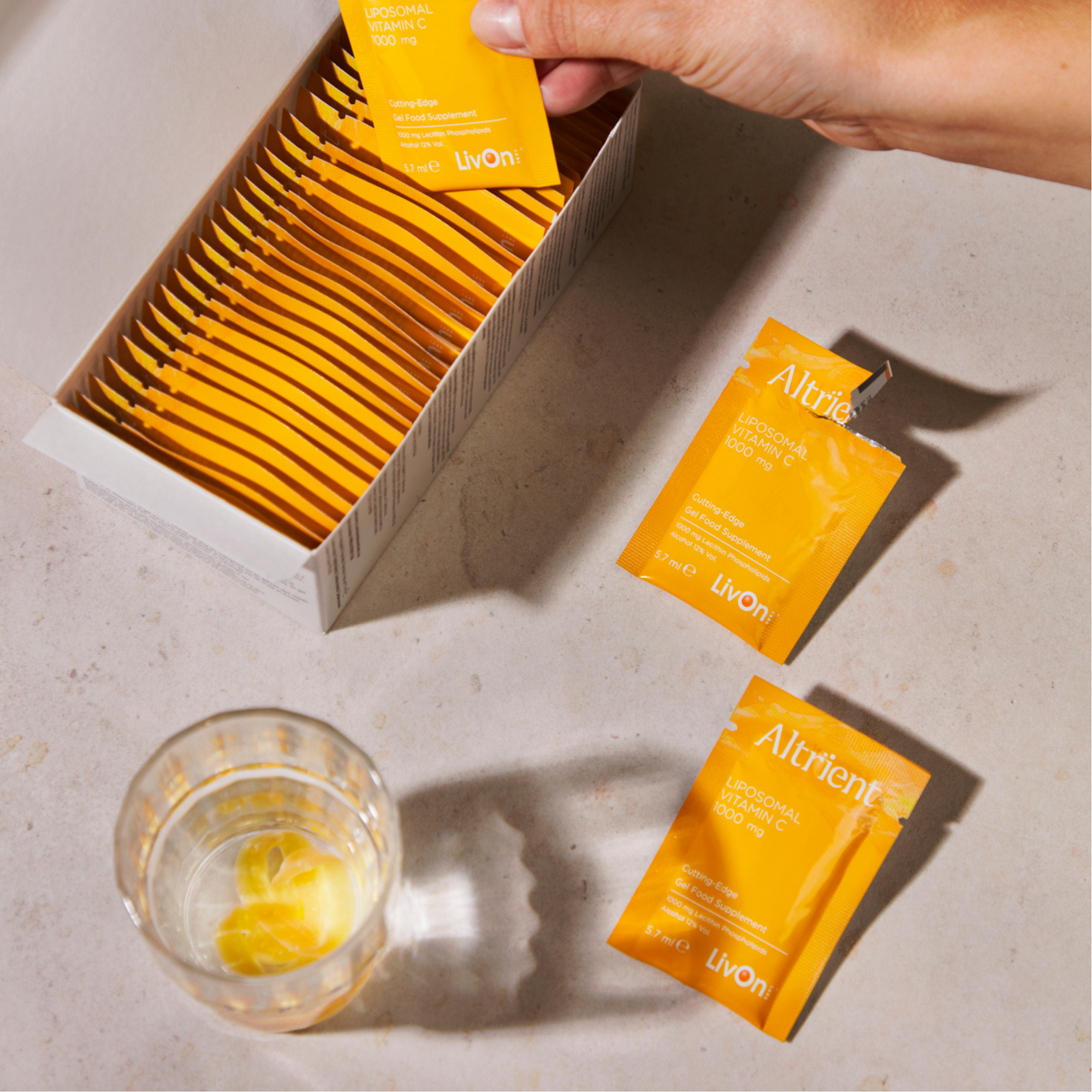
Vitamin C contributes to normal collagen formation for normal skin, cartilage and bones.
-
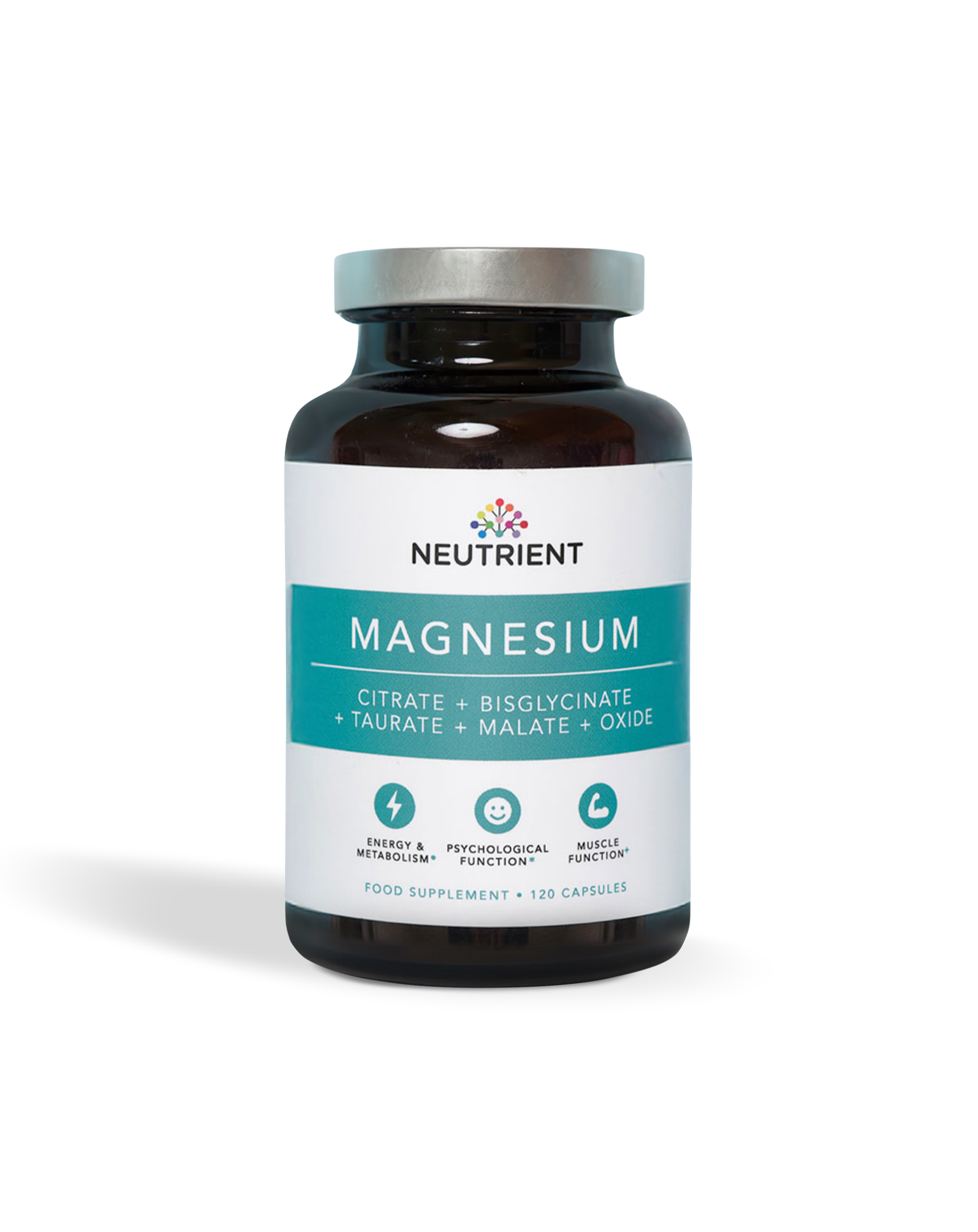
Magnesium contributes to normal protein synthesis and has a role in the process of cell division, allowing your body to build new tissue from scratch.6
‘Collagen-Kitchen’ - Meal Ideas:
To put this into practice, try a Slow-Cooked Lemon & Garlic Chicken. Use bone-in thighs (amino acids), plenty of garlic and leeks (sulphur), and finish with a heavy squeeze of lemon (Vitamin C). Serve over a bed of sautéed kale (magnesium/antioxidants) and sprinkle with toasted pumpkin seeds (zinc). It’s not just dinner; it’s structural magic on a plate.
Or for a plant-based investment, try a marinated tempeh and quinoa bowl. Tempeh and quinoa provide a complete profile of the necessary amino acids, specifically lysine. Sauté the tempeh with minced garlic and ginger for sulphur, and serve it alongside roasted red bell peppers and broccoli for a concentrated Vitamin C hit. Finish the bowl with a handful of pumpkin seeds for zinc and a side of steamed spinach for magnesium.
Pick your favourite collagen-kitchen recipe and start building a stronger foundation, one bite at a time.
Written by: Jacqueline Newson BSc (Hons) Nutritional Therapy
References
-
Varani J, et al. Decreased collagen production in chronologically aged skin: roles of age-dependent alteration in fibroblast function and defective mechanical stimulation. Am J Pathol. 2006 Jun;168(6):1861-8. doi: 10.2353/ajpath.2006.051302.
-
Shoulders, M. D., & Raines, R. T. (2009). Collagen Structure and Stability. Annual Review of Biochemistry.
-
Tena, M., et al. (2020). Zinc and the extracellular matrix: A review of the role of zinc in collagen remodeling.
-
Nimni, M. E., et al. (2007). Are we getting enough sulfur in our diet? Nutrition & Metabolism.
-
Cho S. The Role of Functional Foods in Cutaneous Anti-aging. J Lifestyle Med. 2014 Mar;4(1):8-16. doi: 10.15280/jlm.2014.4.1.8. Epub 2014 Mar 31. PMID: 26064850; PMCID: PMC4390761.
-
Wolf FI, Cittadini A. Magnesium in cell proliferation and differentiation. Front Biosci. 1999 Aug 1;4:D607-17. doi: 10.2741/wolf. PMID: 10430554.
-
Jeremy Hugh Baron, Sailors' scurvy before and after James Lind – a reassessment, Nutrition Reviews, Volume 67, Issue 6, 1 June 2009, Pages 315–332, https://doi.org/10.1111/j.1753-4887.2009.00205.x.
Read more

London Fashion Week doesn't usually make the case for doing less. This season, it did. The biggest beauty trend of the season is, quite literally, at your fingertips.The acrylic excess of recent se...

For women in perimenopause or menopause, losing an hour to the clock change is far from trivial. With sleep already disrupted by hormonal shifts, night sweats and a less reliable body clock, it can...