





How Vitamin C Supports Your Body's Energy Production
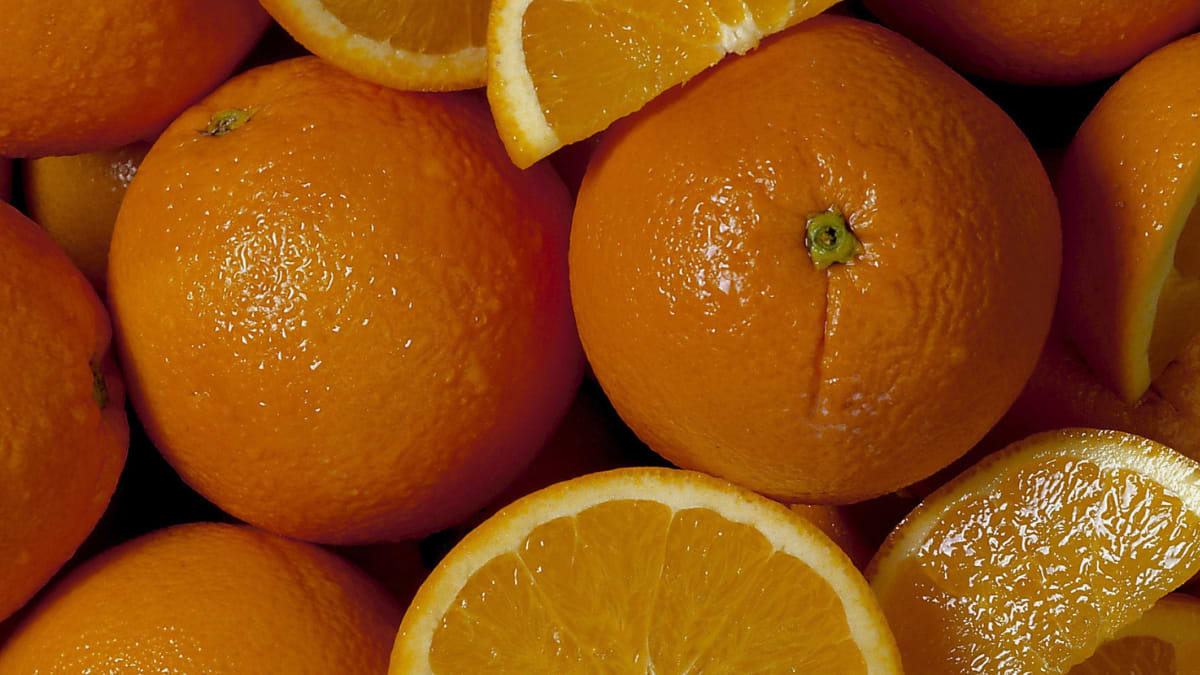
Reaching for an orange when you're flagging, hoping for a quick energy lift, will leave you disappointed. In reality, vitamin C works nothing like caffeine or a sugary energy drink. It contains no calories your cells can burn, and it cannot generate energy on its own. Its role is closer to that of a skilled technician working behind the scenes of a much larger machine, one that would run considerably less well without it.
The link between vitamin C and energy levels is a common source of confusion, mostly because vitamin C deficiency has long been associated with persistent tiredness. That connection is real, but the mechanism behind it is far more interesting than anything a glass of orange juice can deliver on its own. To see where vitamin C actually fits in, it helps to understand how your body makes energy in the first place.
When Vitamin C is Too Low
The connection between vitamin C and energy becomes clearer when we look at what happens when intake falls too low. Fatigue, weakness and reduced physical capacity are recognised features of significant vitamin C deficiency, and these symptoms were famously observed in sailors with scurvy long before vitamin C itself had been identified.1,2
Severe deficiency is uncommon today, but these observations provide an important clue: vitamin C is involved in several physiological processes that help the body function normally. Understanding these roles helps explain why having enough vitamin C matters for more than just preventing deficiency.
From Your Plate to Your Cells
Every meal you eat, whether it is rich in carbohydrates, fats or protein, is broken down during digestion into smaller molecules your bloodstream can carry.10 These molecules travel onward to your cells, where they enter mitochondria, tiny structures often described as mini energy factories. Inside them, nutrients are converted into ATP (adenosine triphosphate), the molecule that fuels almost everything your body does, from blinking to running for a bus.5,10
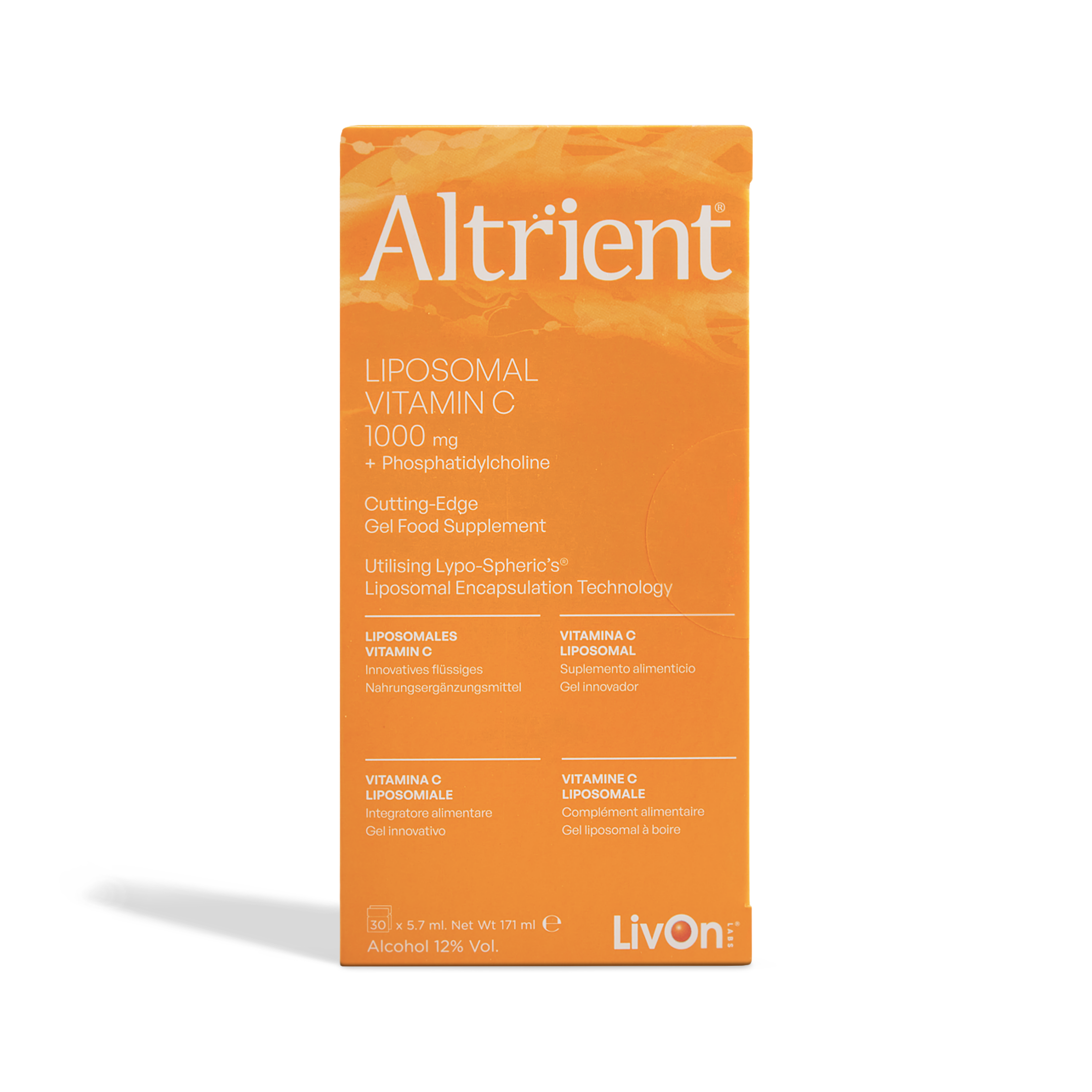
Vitamin C is not part of that final conversion step, but it is part of the biological pathways that allow it to happen efficiently.2,4 Four roles stand out.
1. Building the Shuttle: Carnitine Production
This is the most well-established link between vitamin C and cellular energy. Carnitine is the molecule responsible for ferrying long-chain fatty acids into mitochondria, where they can be broken down for fuel. Vitamin C is needed for the enzymes that build carnitine in the first place.2,4
Imagine your mitochondria as small power stations dotted throughout every cell. Fat is one of their preferred fuels, but it cannot easily pass through the cell membranes without a little help. Carnitine acts like a shuttle bus, transporting the fatty acids inside where they can be converted into energy.
Vitamin C supplies part of what your body needs to keep that shuttle service running. Research has linked marginal vitamin C status with disrupted carnitine metabolism and reduced fat burning during exercise, which is a useful reminder that even mild shortfalls can have knock-on effects long before anyone would describe themselves as deficient.3,4
2. Helping Iron Do Its Job
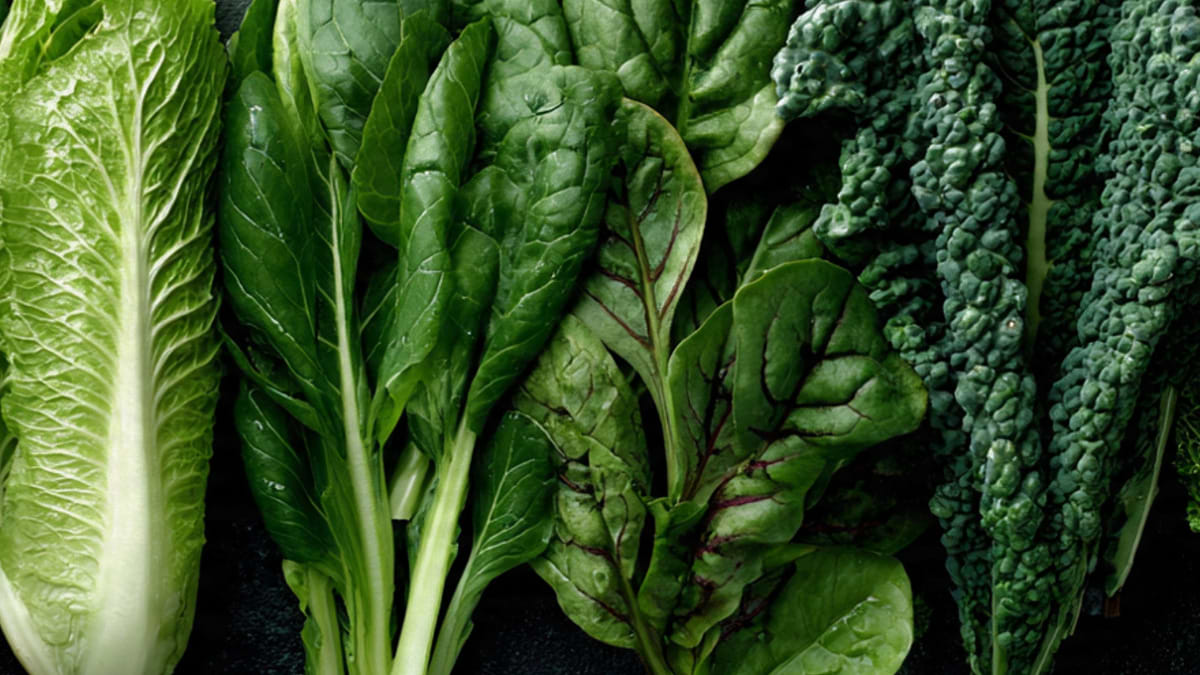
Vitamin C meaningfully improves the absorption of non-haem iron, the form found in plant foods such as spinach, lentils and beans.1,2 This is important for energy production, because iron is essential for making haemoglobin, the protein in red blood cells that carries oxygen around the body.
Less iron circulating means less oxygen reaching your muscles and organs, and oxygen is a non-negotiable ingredient in efficient ATP production.5 Pairing iron-rich foods with a source of vitamin C at the same meal is a simple, well-established way to make the most of the iron you eat.
|
Iron-Rich Food |
Vitamin C Partner |
Easy Way to Combine |
|---|---|---|
|
Spinach or kale |
Red pepper or lemon juice |
Add raw pepper strips to a spinach salad |
|
Lentils or chickpeas |
Tomatoes |
Stir through a tomato-based dahl or stew |
|
Fortified cereal |
Orange or kiwi |
Slice fruit over the bowl at breakfast |
|
Red meat |
Broccoli or citrus |
Serve alongside steamed broccoli |
3. Guarding the Power Stations
This is a newer and still developing area of research.
Vitamin C appears to help protect mitochondria from oxidative stress, the wear and tear caused by free radicals generated during normal energy metabolism.6,7 Healthier mitochondria are, in theory, better placed to produce energy efficiently, and some laboratory studies suggest adequate vitamin C status may help maintain normal mitochondrial function under strain.6
4. Supporting the Adrenal Response
The adrenal glands hold some of the highest concentrations of vitamin C anywhere in the body, reflecting its importance in normal adrenal function.2,6 Research has also investigated changes in vitamin C metabolism during periods of physiological stress, although the implications for individual vitamin C requirements and everyday energy levels are not fully established.2,7 This is one reason why maintaining an adequate intake of vitamin C is particularly relevant during periods when the body is under greater physical demand, such as strenuous exercise or illness.

Vitamin C Doesn't Work Alone
Cellular energy production is a team effort, and vitamin C is just one player among several essential cofactors.5 A varied, balanced diet helps ensure that your cells have the range of nutrients needed to keep these processes running normally.
Much of this teamwork relies on a metabolic pathway known as the Krebs cycle. Operating inside the mitochondria, this repeating sequence of chemical reactions gradually strips energy out of the food you've eaten and packages it into a form your cells can use.5,10 Several of the nutrients in the table below are direct participants in that cycle.
B vitamins are converted into NAD and coenzyme A, two molecules the Krebs cycle depends on at almost every stage, while magnesium acts as a key cofactor driving many of the reactions that keep the cycle turning.5 Vitamin C operates outside the cycle itself, but its role in carnitine synthesis and improving iron absorption helps deliver the fuel and oxygen that keep the wider system running in the first place.
|
Nutrient |
How It Supports Cellular Energy |
|---|---|
|
Vitamin C |
Needed to build carnitine; improves iron absorption |
|
Iron |
Carries oxygen in the blood to fuel ATP production |
|
Vitamin B2 (riboflavin) |
Helps release energy from food |
|
Vitamin B3 (niacin) |
Forms NAD, essential for ATP production |
|
Vitamin B5 |
Needed to make coenzyme A |
|
Vitamin B6 |
Supports protein metabolism |
|
Vitamin B12 & folate |
Support healthy red blood cell formation |
|
Magnesium |
Required for ATP-dependent reactions |
|
Copper |
Supports enzymes involved in carnitine synthesis |

Getting the Balance Right
None of these nutrients works in isolation, and no single vitamin, including vitamin C, is a shortcut to boundless energy. What the research does show is that vitamin C plays several small but meaningful supporting roles across the pathways that turn your food into usable fuel: building the carnitine shuttle that lets your cells burn fat, helping you absorb iron, and potentially shielding your mitochondria from everyday wear and tear.
Eating a varied diet with plenty of vitamin C-rich fruit and vegetables, alongside iron, the B vitamins and magnesium, gives your body's energy systems the raw materials they are designed to work with, rather than relying on any single nutrient to do the job alone.
Written by: Jacqueline Newson BSc (Hons) Nutritional Therapy
References
- National Academies of Sciences, Engineering, and Medicine. Dietary Reference Intakes for Vitamin C, Vitamin E, Selenium, and Carotenoids. Washington, DC: National Academies Press; 2000.
- Levine M, Rumsey SC, Daruwala R, Park JB, Wang Y. Criteria and recommendations for vitamin C intake. Journal of the American Medical Association. 1999;281(15):1415-1423.
- Johnston CS, Corte C, Swan PD. Marginal vitamin C status is associated with reduced fat oxidation during submaximal exercise in young adults. Nutrition & Metabolism. 2006;3:35.
- Rebouche CJ. Ascorbic acid and carnitine biosynthesis. The American Journal of Clinical Nutrition. 1991;54(Suppl 6):1147S-1152S.
- Tardy AL, Pouteau E, Marquez D, Yilmaz C, Scholey A. Vitamins and Minerals for Energy, Fatigue and Cognition: A Narrative Review of the Biochemical and Clinical Evidence. Nutrients. 2020;12(1):228.
- Padayatty SJ, Levine M. Vitamin C: The Known and the Unknown and Goldilocks. Oral Diseases. 2016;22(6):463-493.
- Traber MG, Stevens JF. Vitamins C and E: Beneficial Effects from a Mechanistic Perspective. Free Radical Biology and Medicine. 2011;51(5):1000-1013.
- Linus Pauling Institute. Vitamin C. Micronutrient Information Center. Oregon State University. https://lpi.oregonstate.edu/mic/vitamins/vitamin-C
- European Food Safety Authority. Scientific Opinion on Dietary Reference Values for Vitamin C. EFSA Journal. 2013;11(11):3418.
- Gropper SS, Smith JL, Carr TP. Advanced Nutrition and Human Metabolism. 8th ed. Boston, MA: Cengage Learning; 2021.
Read more

Glutathione used to be reserved for biochemistry textbooks and nutrition experts, but has now moved into mainstream wellness and it's easy to see why. Search interest has climbed alongside claims o...

Losing a significant amount of weight with a GLP-1 medication can be an enormous achievement in terms of your health. But another change can come with substantial weight loss that isn't always talk...