


Skin Ageing Starts Now: Why Today’s Habits Matter Long-Term
When people think about healthy skin, they often focus on what they apply to it. Cleansers, serums and moisturisers all have their place, but the condition of your skin is also influenced by what is happening beneath the surface. Nutrition, lifestyle and daily habits all contribute to how skin functions as the years go by.
Skin ageing isn't something that happens overnight. It tends to develop gradually as collagen production slows, antioxidant defences become less efficient, and years of sun exposure and environmental stress accumulate. While no superfood or supplement can pause these natural processes altogether, supporting your skin consistently throughout adulthood may help maintain its normal structure and function.
Here are a few habits worth building into your routine.
 1. Protect Your Skin From Everyday Sun Exposure
This is old news and there’s no getting away from it, ultraviolet (UV) radiation remains one of the biggest contributors to premature skin ageing. Over time, repeated sun exposure increases oxidative stress within the skin and accelerates the breakdown of collagen and elastin, the proteins responsible for strength and elasticity.1
Daily sunscreen, even on cloudy days, plus sensible sun habits, is one of the best things you can do for your skin over time. Studies do suggest that a short amount of sunlight each day has some health benefits such as helping your body make vitamin D and supporting your sleep-wake cycle, but you must keep your sun exposure brief and sensible to avoid sunburn.8
 2. Eat Plenty Of Colourful Fruit And Vegetables
Brightly coloured fruit and vegetables provide vitamin C alongside a wide variety of vitamins, minerals and naturally occurring plant compounds that help protect cells from oxidative stress. The different colours reflect different types of plant compounds, each contributing its own unique mix of nutrients and protective properties. A varied diet rich in berries, citrus fruits, peppers, broccoli and leafy greens provides nutrients that support overall skin health as part of a balanced diet.2
No single food provides everything your skin needs, but regularly eating a colourful variety helps ensure a broad intake of protective nutrients.
 3. Support Collagen Formation With Vitamin C
Collagen is the most abundant structural protein in the skin, helping to give it strength, firmness and resilience. Natural collagen production gradually declines with age, which is one reason skin can begin to look less plump over time.3 Vitamin C plays an important role in collagen formation and contributes to normal skin function, so regular daily intake is a habit worth getting into.4
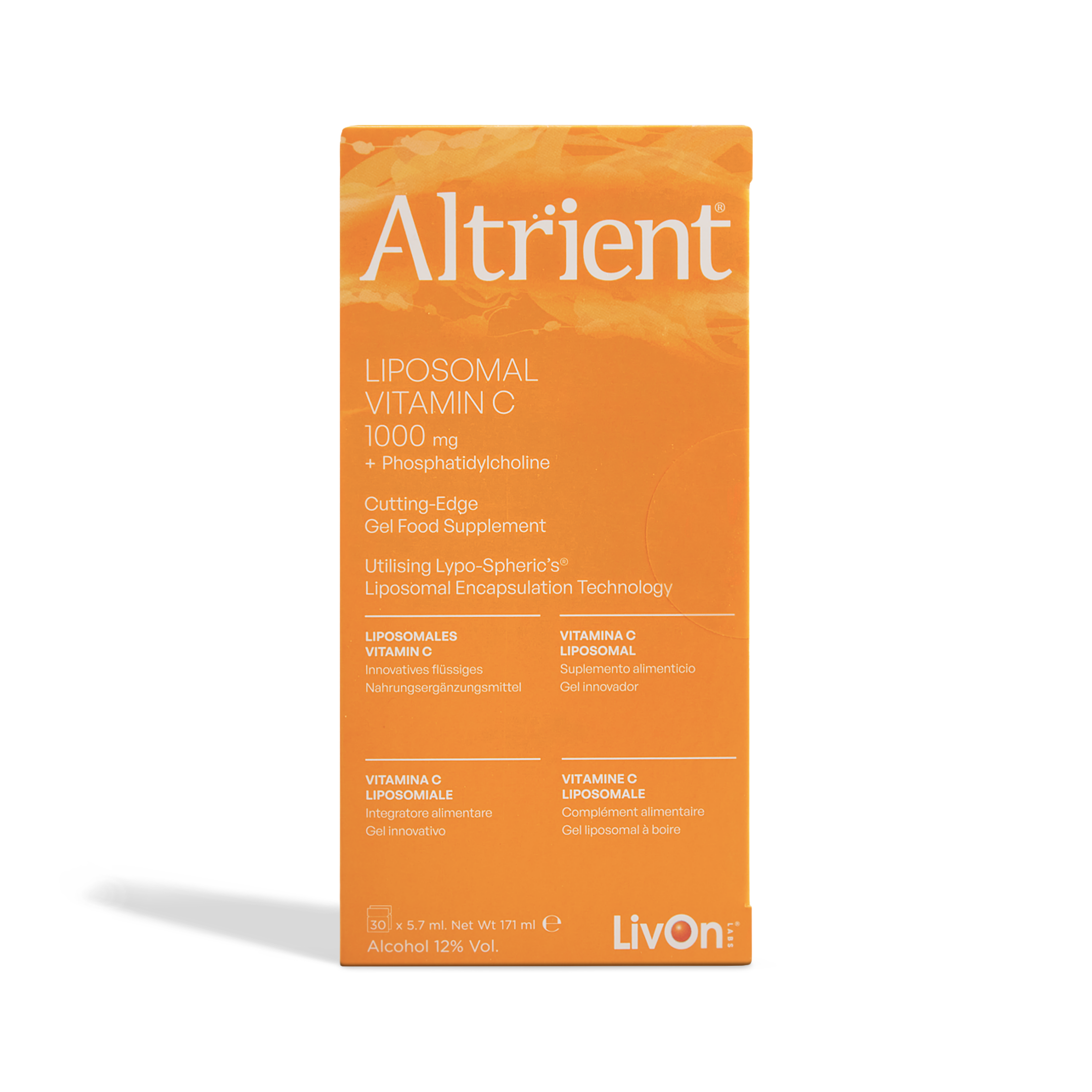
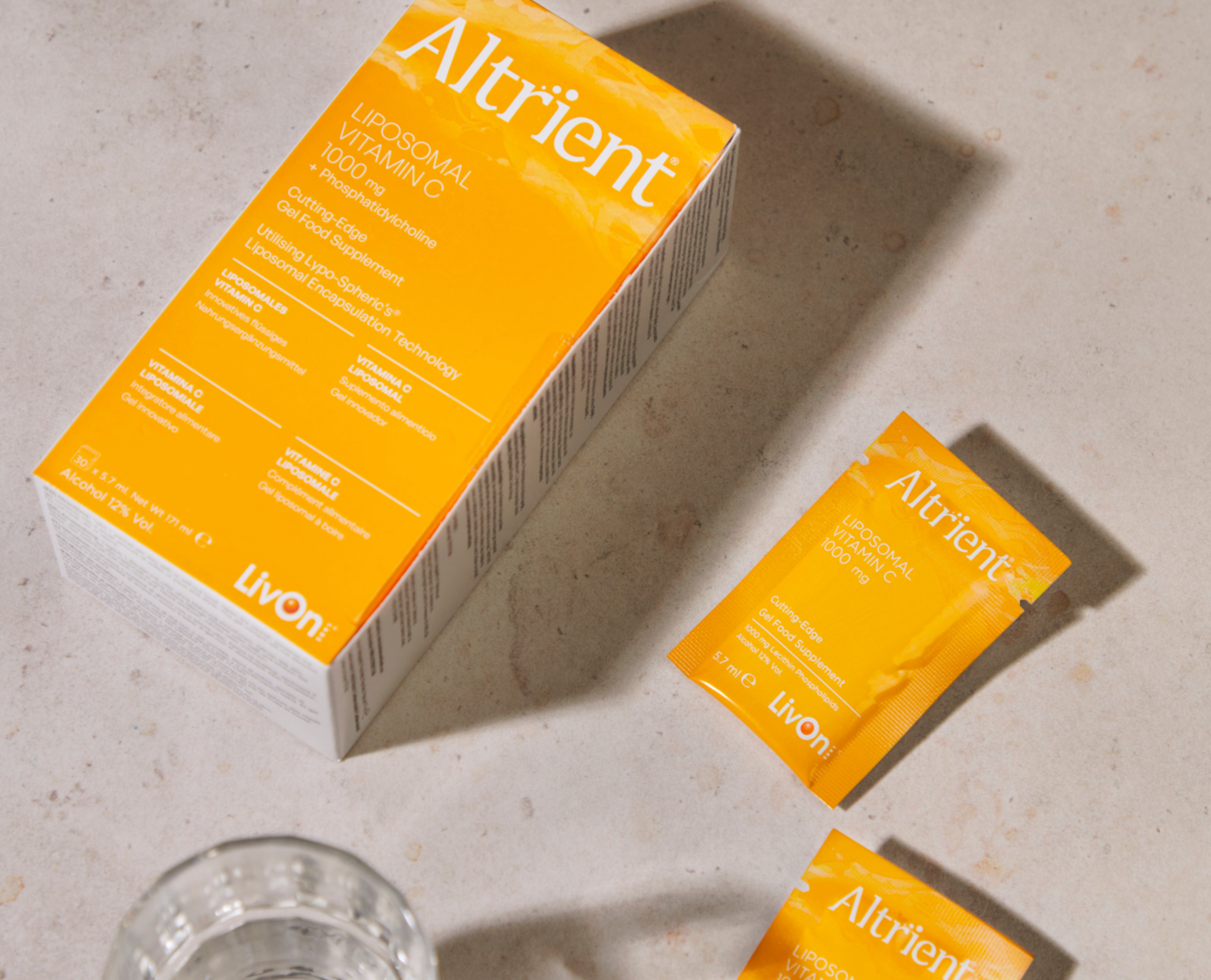
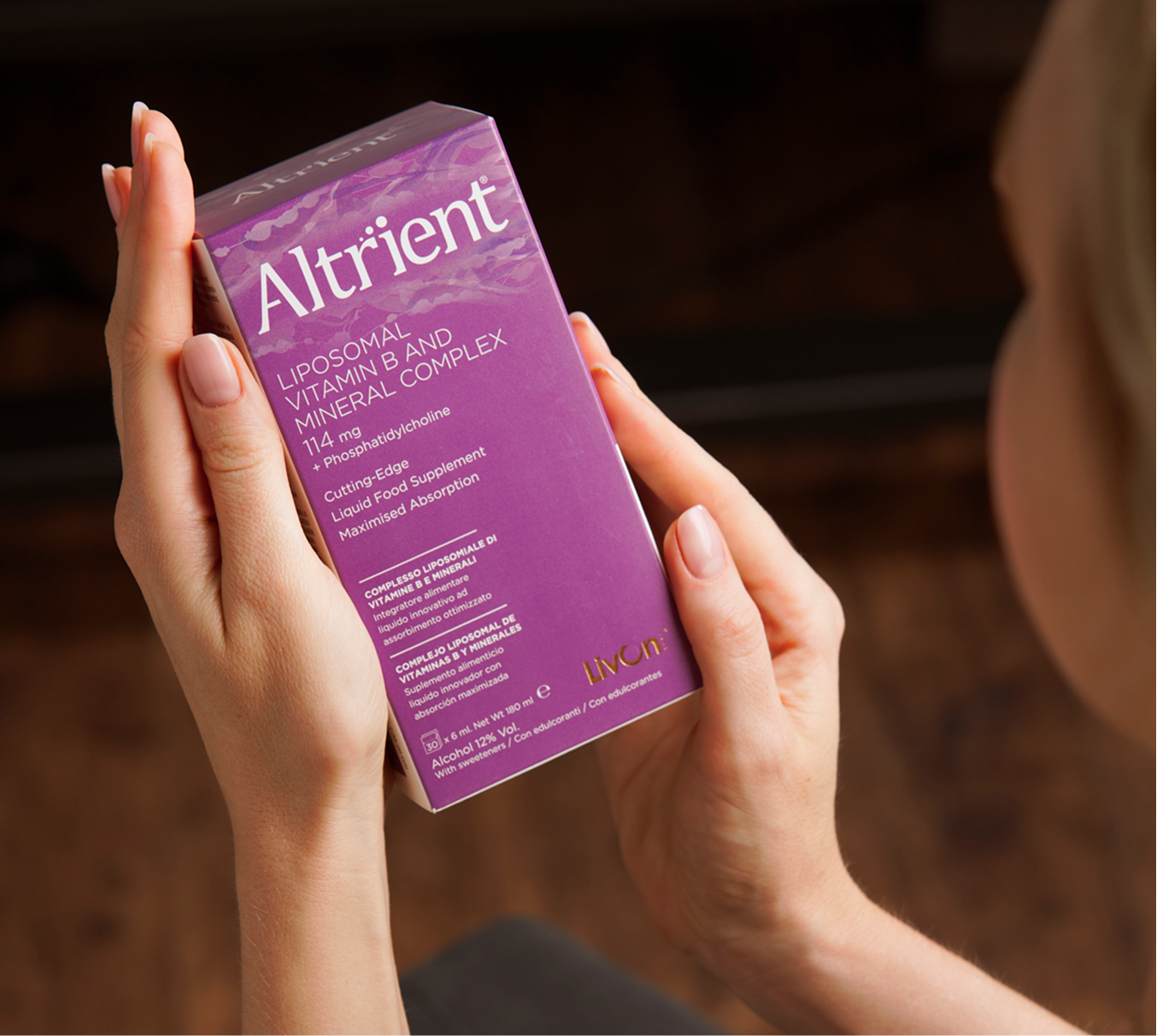
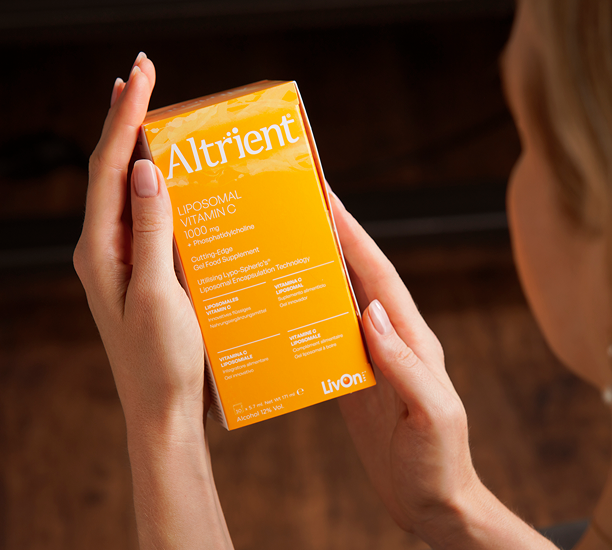
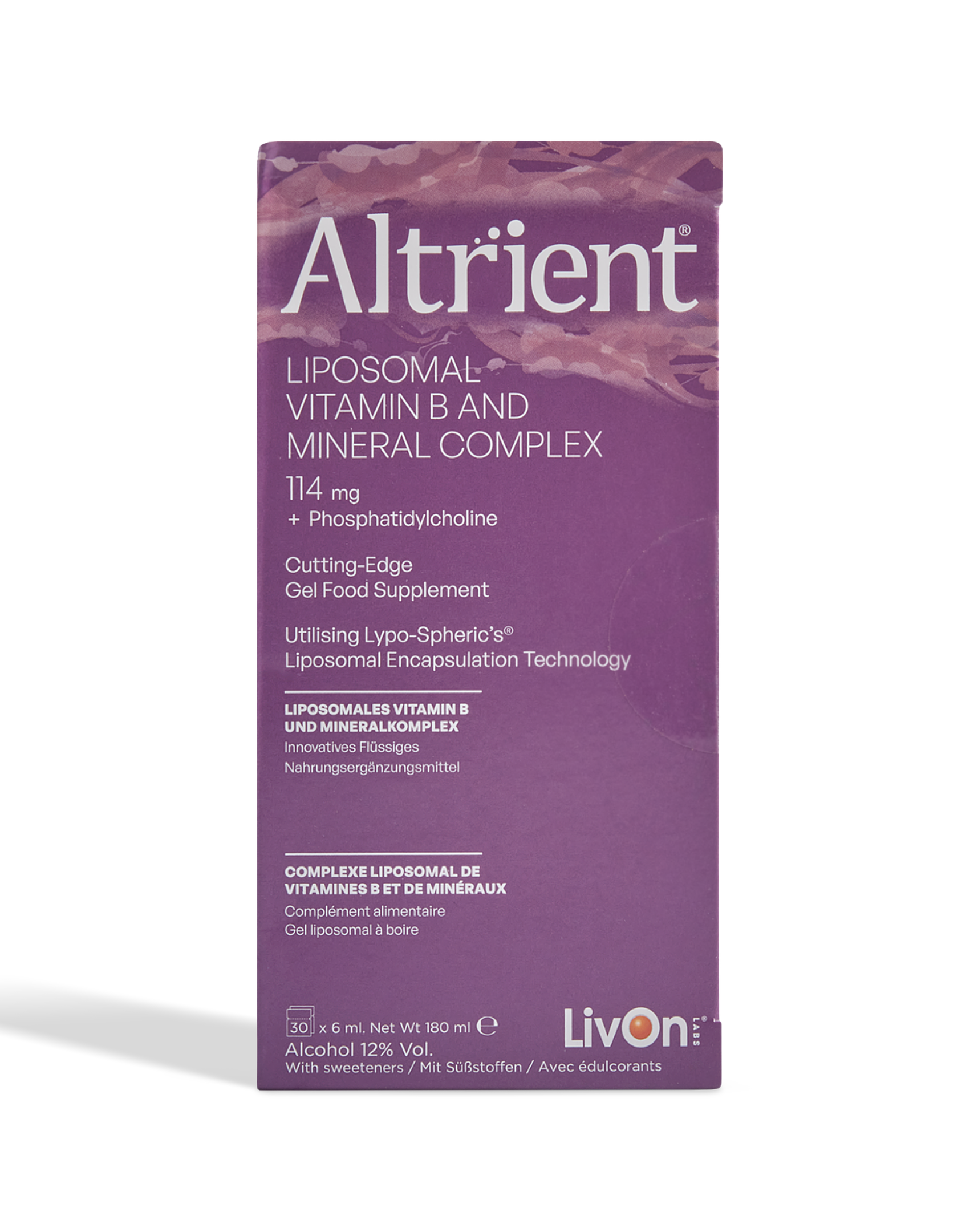
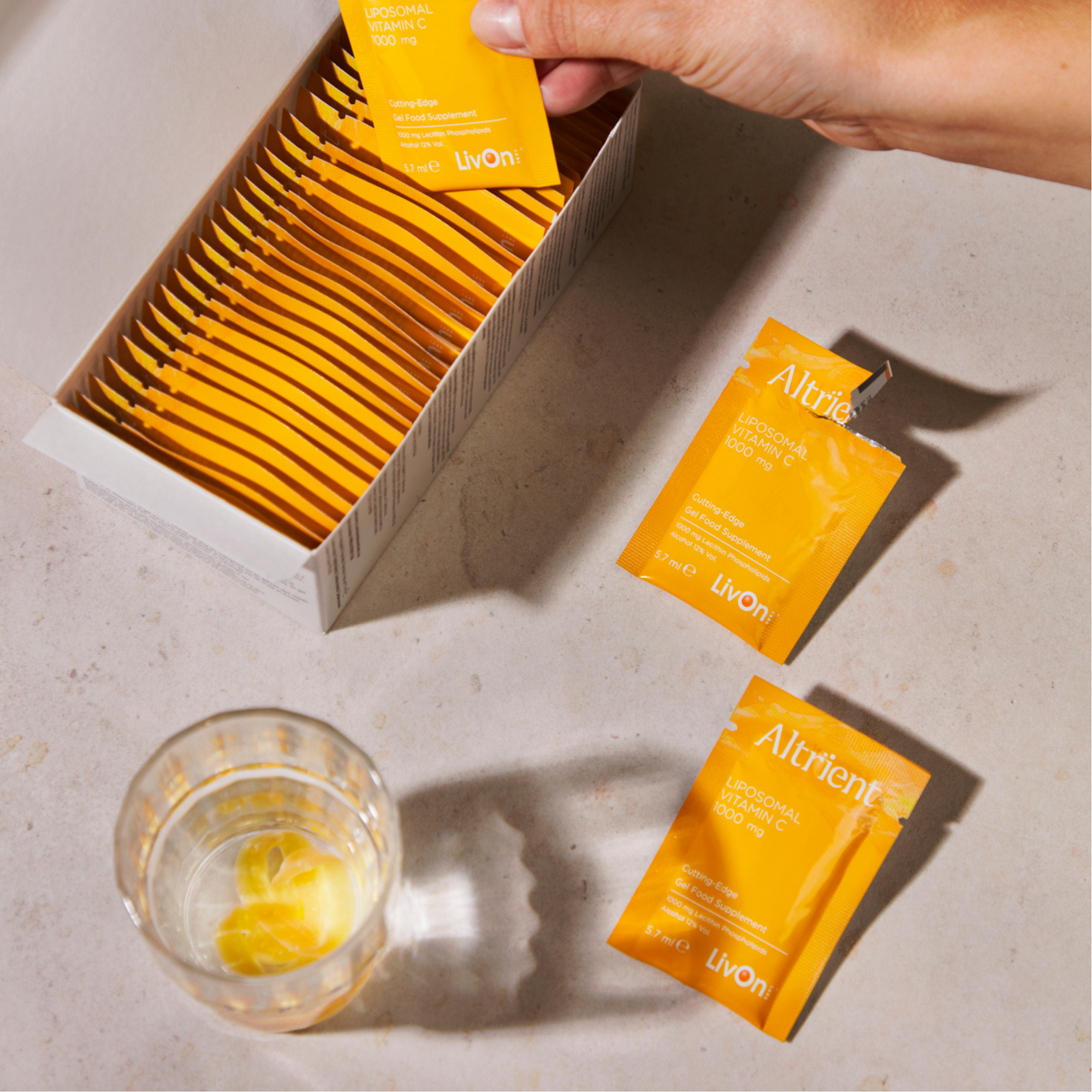
For those who choose to supplement, Altrient C uses a liposomal delivery system designed to help protect vitamin C during digestion and support absorption, making it a convenient way to complement daily intake.
 4. Think About Oxidative Stress Over The Long Term
Every day, your skin is exposed to things that can create oxidative stress, including sunlight, pollution, smoking, poor sleep and the body’s normal metabolic processes such as generating energy. All of these can naturally create unstable molecules called free radicals. Over time, these may contribute to wear and tear in skin cells.5
The body has its own antioxidant defences, supported by nutrients from the diet. Vitamin C contributes to the protection of cells from oxidative stress and also helps regenerate the reduced form of vitamin E, allowing the two antioxidants to work alongside one another.4
Another nutrient attracting growing scientific interest is alpha lipoic acid. Unlike many naturally occurring compounds involved in cellular defence, it is both water- and fat-soluble, allowing it to function in different parts of the body. Laboratory and clinical research suggest it may help support the body's natural antioxidant network by interacting with nutrients such as vitamins C and E.6 Research into healthy ageing is ongoing, but alpha lipoic acid remains an area worth watching.
 5. Maintain a Regular Sleep Routine
Healthy skin does much of its maintenance work while you sleep. During the night, the skin barrier undergoes repair and renewal processes that help maintain its normal function. Poor sleep has been linked with changes in skin barrier function and visible signs of skin fatigue.7
Good nutrition cannot compensate for consistently poor sleep, but together they provide important foundations for healthy skin.
 6. Prioritise Daily Exercise
Regular exercise supports much more than your heart and muscles. It also helps improve circulation, delivering oxygen and nutrients to the skin while supporting its natural renewal processes. Physical activity may also help reduce the effects of chronic low-grade inflammation associated with ageing and promote better sleep, both of which can influence skin health over time.9,10
You don't need to spend hours in the gym. Walking, cycling, swimming or even dancing to your favourite music performed consistently can all contribute to healthy ageing, including the health of your skin.11
 7. Remember That Consistency Matters
Healthy skin is rarely the result of one product or one habit. It tends to reflect multiple small decisions made consistently over many years.
Eating a nutrient-rich diet, protecting your skin from excessive sun exposure, exercising regularly, getting enough sleep and avoiding smoking all contribute to healthy ageing. Alongside these habits, ensuring an adequate intake of nutrients such as vitamin C may help support the normal structures and protective systems that healthy skin relies upon every day.
Rather than focusing on occasional treatments, it is the everyday habits you repeat over months and years that are most likely to shape your skin's long-term health.
Frequently Asked Questions
How long does it typically take to notice a difference from diet and lifestyle changes?
This varies from person to person, as skin responds to consistent habits over months and years rather than days. Patience and consistency tend to matter more than any single change.
What are the best skin habits for maintaining youthful-looking skin alongside vitamin C?
Healthy skin is influenced by the habits you repeat consistently over time. Alongside adequate vitamin C intake, the following habits can help support skin health:
- Wear a broad-spectrum SPF every day.
- Eat a varied diet rich in colourful fruit and vegetables.
- Include healthy fats such as oily fish, nuts and seeds.
- Avoid smoking and excessive alcohol intake.
- Stay physically active.
- Prioritise good quality sleep.
- Manage stress where possible.
- Stay hydrated.
These habits support overall skin function and complement vitamin C's role in normal collagen formation.
How does liposomal vitamin C support skin health over time?
Vitamin C contributes to normal collagen formation, which helps maintain the normal function of the skin. It also contributes to the protection of cells from oxidative stress. Liposomal delivery is designed to improve the absorption of vitamin C compared with standard oral formulations, potentially helping to maintain vitamin C status more effectively.
What is alpha lipoic acid and why is it included in healthy ageing routines?
Alpha lipoic acid is a naturally occurring compound that is produced in small amounts by the body and is also found in foods such as spinach, broccoli and organ meats. It has attracted growing scientific interest because it is both water and fat soluble, allowing it to be present throughout different tissues. Researchers continue to investigate its interactions with the body's natural antioxidant network and its potential role in healthy ageing.
Can alpha lipoic acid and vitamin C be taken together?
Yes. Alpha lipoic acid and vitamin C are often included together in healthy ageing programmes because researchers have investigated how they interact within the body's natural antioxidant network. Although more clinical research is needed, the combination is an active area of nutritional science due to their complementary biochemical properties.
Is it better to start supporting your skin before signs of ageing appear?
Many of the processes involved in skin ageing begin long before they become visible. Consistently following healthy lifestyle habits, protecting skin from excessive UV exposure and maintaining an adequate intake of nutrients involved in collagen formation, such as vitamin C, may help support normal skin function throughout life. Healthy ageing is generally considered to be a long-term approach rather than something that starts once visible changes appear.
Written by: Jacqueline Newson BSc (Hons) Nutritional Therapy
References
- Rittié L, Fisher GJ. Natural and sun-induced aging of human skin. Cold Spring Harbor Perspectives in Medicine. 2015;5(1):a015370.
- Pullar JM, Carr AC, Vissers MCM. The roles of vitamin C in skin health. Nutrients. 2017;9(8):866.
- Shuster S, Black MM, McVitie E. The influence of age and sex on skin thickness, skin collagen and density. British Journal of Dermatology. 1975;93(6):639-643.
- European Commission. EU Register of Nutrition and Health Claims. Accessed July 2026.
- Pizzino G, Irrera N, Cucinotta M, et al. Oxidative stress: Harms and benefits for human health. Oxidative Medicine and Cellular Longevity. 2017;2017:8416763.
- Shay KP, Moreau RF, Smith EJ, Smith AR, Hagen TM. Alpha-lipoic acid as a dietary supplement: Molecular mechanisms and therapeutic potential. Biochimica et Biophysica Acta. 2009;1790(10):1149-1160.
- Oyetakin-White P, Suggs A, Koo B, et al. Does poor sleep quality affect skin ageing? Clinical and Experimental Dermatology. 2015;40(1):17-22.
- Raymond-Lezman JR, Riskin SI. Benefits and Risks of Sun Exposure to Maintain Adequate Vitamin D Levels. Cureus. 2023;15(5):e38578.
- Booth FW, Roberts CK, Laye MJ. Lack of exercise is a major cause of chronic diseases. Comprehensive Physiology. 2012;2(2):1143-1211.
- Pedersen BK, Saltin B. Exercise as medicine: evidence for prescribing exercise as therapy in 26 different chronic diseases. Scandinavian Journal of Medicine & Science in Sports. 2015;25(Suppl 3):1-72.
- Crane JD, MacNeil LG, Lally JS, et al. Exercise-stimulated interleukin-15 is controlled by AMPK and regulates skin metabolism and ageing. Aging Cell. 2015;14(4):625-634.
Read more

As marathon season approaches, most runners focus on the visible parts of preparation: long runs, carbohydrate loading, gels, and pacing strategy. These things matter, but they are only part of the...
Understanding the body's master defender Every second of every day, your body is exposed to challenges that can damage its cells. Pollution, sunlight, intense exercise, illness, poor diet and even ...