









Power Up Your Cells: Alpha-Lipoic Acid & B Complex for Mitochondrial Function and Energy
Feeling sluggish, foggy, or just plain tired? Most people think a little more coffee or an early night is the answer, but sustained energy depends on more than quick fixes; it starts at the cellular level with your mitochondria. These microscopic structures within your cells generate over 90% of your body's energy, keeping your heart beating, your brain thinking, and your muscles moving.1 When mitochondrial function is compromised, you may experience fatigue, poor concentration, and a general loss of stamina.
While cellular decline can occur with age, it's not inevitable. It is possible to optimise mitochondrial function with nutrition. Research suggests that various nutritional factors play important roles in cellular energy metabolism. Essential B vitamins, for example, are recognised for their contribution to normal energy-yielding metabolism.
Other compounds, such as Alpha-lipoic acid (ALA), have been extensively studied for their role in normal cellular function and energy metabolism,2 making them a popular supplement for those invested in combating fatigue and promoting healthy ageing.
However, true, lasting energy entails more than isolated nutrients; it requires a holistic approach that includes proper movement, quality sleep, stress management, and reducing exposure to environmental toxins.
Ready to move beyond quick fixes? Let's explore some simple ways you can support your cellular health and experience lasting vitality.
Understanding Mitochondrial Health – The Key to Cellular Energy & Longevity
Mitochondria are best known for producing adenosine triphosphate (ATP), the molecule that fuels almost every function in the body.3 When mitochondria are placed under stress, whether from a poor diet, lack of movement, disrupted sleep, or exposure to pollutants, they can become less efficient.4 This may leave you feeling tired, foggy, or less resilient. Taking steps to protect and nourish your mitochondria can help support energy metabolism, reduce oxidative stress, and contribute to overall vigour.
Alpha-Lipoic Acid - Supporting Energy Metabolism & Cellular Function
Alpha-lipoic acid (ALA) is a naturally occurring compound with a central role in cellular metabolic processes. It's found inside cells, especially within the mitochondria, where it participates as a cofactor in enzyme systems involved in the metabolism of carbohydrates, fats, and proteins. 5
What makes ALA a unique compound is its ability to function across different environments within the body, a rare characteristic among natural compounds. This flexibility allows it to contribute to various biochemical reactions.6 Ongoing scientific research continues to investigate its involvement with mitochondrial activity.7 This sustained interest highlights ALA as a highly valued nutrient for anyone looking to actively support general cellular health and performance.
B Complex Vitamins: Your Body's Energy Essentials
The B vitamin family is a group of nutrients that work throughout your body to support normal function. While they're often talked about together, each B vitamin has its own distinct and recognised roles, particularly when it comes to energy and mental wellbeing.
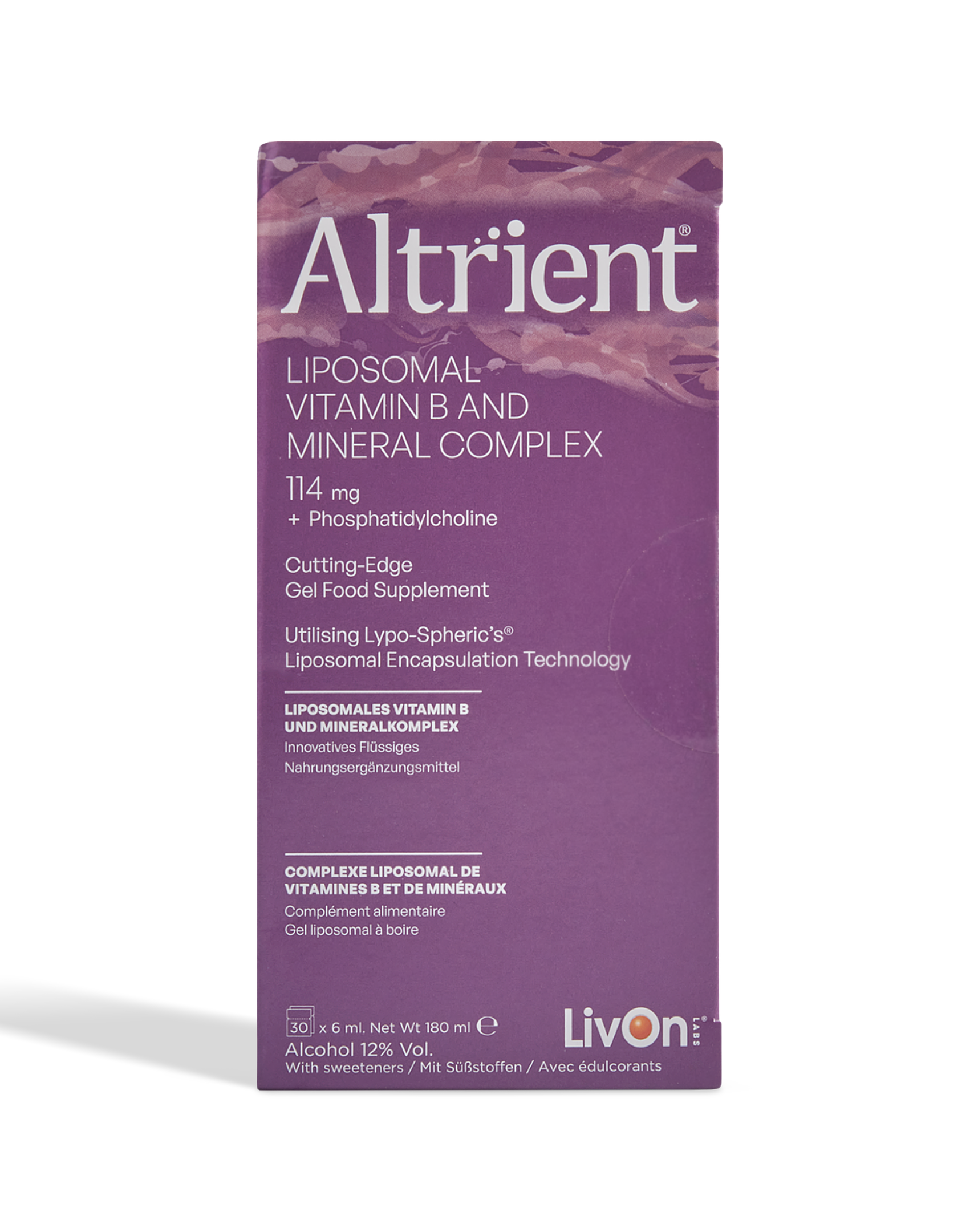
Energy metabolism is where nearly all B vitamins converge. Thiamin, riboflavin, niacin, pantothenic acid, vitamin B6, and vitamin B12 all contribute to normal energy metabolism, the fundamental process of converting food into fuel your cells can use.
When it comes to mental clarity and mood, several B vitamins play recognised roles. Niacin, pantothenic acid, vitamin B6, folate, and vitamin B12 contribute to normal psychological function, while pantothenic acid specifically supports normal mental performance.
If you've ever felt that afternoon slump, riboflavin, niacin, vitamin B6, folate, and vitamin B12 come to the rescue by contributing to the reduction of tiredness and fatigue, helping you rise to the challenge in demanding situations.
Pulling it all together is your nervous system, which relies on thiamin, vitamin B6, and vitamin B12 for normal functioning. Together, these nutrients provide the support your body and brain need to fulfil daily tasks.
Supporting Your Mitochondria Beyond Supplements
While supplemental support can make a meaningful difference, your daily lifestyle plays a key role in how well your mitochondria and your energy perform.
1. Make Physical Activity a Daily Habit
Exercise is one of the most effective ways to keep mitochondria active and resilient. Studies show that aerobic exercise and interval training can stimulate the growth of new mitochondria and improve mitochondrial efficiency.8
- Aerobic activities such as brisk walking, cycling, or swimming enhance endurance and oxygen efficiency.
- Interval training (short bursts of intensity followed by recovery) can boost mitochondrial capacity.
- Strength training maintains lean muscle, which is rich in mitochondria and supports healthy metabolism.
Mix and match your routine to gain the maximum benefits and keep your motivation high.
2. Eat a Balanced, Mitochondria-Friendly Diet
A varied, colourful, whole-food diet provides the antioxidants, healthy fats, and plant compounds that support mitochondrial integrity and protect against oxidative stress.9
Focus on:
- Antioxidant-rich foods such as berries, leafy greens, beetroot, and botanicals like turmeric, ginger and rosemary.
- Healthy fats from olive oil, nuts, seeds, avocados, and oily fish to support cell membranes.
- Quality protein, such as beans, lentils, eggs, poultry, tofu, and seafood, which provide amino acids for repair and enzyme production.
- Complex carbohydrates, including vegetables, whole grains and pulses, such as oats, brown rice, lentils and beans, for gradual, sustained energy release.
Try to limit highly processed foods, trans fats, and refined sugar, which can generate unnecessary oxidative stress, known to impair mitochondrial function.10
3. Manage Stress to Protect Cellular Energy
Persistent stress can place extra demands on your body’s energy systems. Over time, raised levels of cortisol (a key stress hormone) may influence mitochondrial efficiency.11 Simple daily practices can make a difference:
- Mindfulness or meditation - for a few minutes daily.
- Yoga or stretching – to support circulation and calm the nervous system.
- Spend Time in Nature - walking outdoors can help restore natural rhythms and improve mood.
- Slow breathing techniques - such as inhaling for four counts and exhaling for six, to activate the body’s relaxation response.
4. Reduce Your Toxic Load
Environmental toxins can add to oxidative stress and place additional strain on the body’s detoxification systems.12 While it’s impossible to eliminate all exposure, small changes can make a big difference. Try to avoid:
- Air pollutants and cigarette smoke.
- Pesticide residues on non-organic produce.
- Heavy metals such as mercury or lead, found in older pipes or certain fish.
- Synthetic fragrances and harsh cleaning agents in household or personal care products.
Choosing natural cleaning solutions, filtering drinking water, and selecting organic foods where possible can help reduce your overall exposure.
Taking these simple steps is a positive investment in your mitochondrial health. When these tiny powerhouses work well, you feel energised, clear-headed, and resilient.
Written by: Jacqueline Newson BSc (Hons) Nutritional Therapy
Edited by Alejandra Toro MSc Nutrition and Behaviour
References
1. Dieter, F., Esselun, C., & Eckert, G. P. (2022). Redox Active $\alpha$-Lipoic Acid Differentially Improves Mitochondrial Dysfunction in a Cellular Model of Alzheimer and Its Control Cells. International Journal of Molecular Sciences, 23(16), 9186.
- Casanova A, Wevers A, Navarro-Ledesma S and Pruimboom L (2023), Mitochondria: It is all about energy. Front. Physiol.14:1114231.doi:10.3389/fphys.2023.1114231
- Nicholls, D.G., & Ferguson, S.J. (2013). Bioenergetics 4. Academic Press. https://doi.org/10.1016/C2010-0-64902-9
- Wallace, D.C. (2010). Mitochondrial DNA mutations in disease and aging. Environmental and Molecular Mutagenesis, 51(5), 440–450.
- Shay, K.P., et al. (2009). Alpha-lipoic acid as a dietary supplement: molecular mechanisms and therapeutic potential. Biochimica et Biophysica Acta (BBA) - General Subjects, 1790(10), 1149–1160.
- Packer, L., et al. (1995). Alpha-lipoic acid as a biological antioxidant. Free Radical Biology & Medicine, 19(2), 227–250.
- Smith, A.R., et al. (2004). The role of lipoic acid in the aging process and age-related diseases. Free Radical Biology & Medicine, 38(1), 1–12.
- Hood, D.A., et al. (2019). Mitochondrial adaptations to exercise: physiology and molecular mechanisms. The Journal of Physiology, 597(18), 4951–4962.
- Chacko, B.K., et al. (2011). The role of antioxidants in protecting mitochondrial function. Free Radical Biology & Medicine, 51(4), 743–753.
- Coppola S, Paparo L, Trinchese G, Rivieri AM, Masino A, De Giovanni Di Santa Severina AF, Cerulo M, Escolino M, Turco A, Esposito C, Mollica MP, Berni Canani R. Increased dietary intake of ultraprocessed foods and mitochondrial metabolism alterations in pediatric obesity. Sci Rep. 2023 Aug 3;13(1):12609. doi: 10.1038/s41598-023-39566-9. PMID: 37537205; PMCID: PMC10400566.
- Picard, M., & McEwen, B.S. (2018). Psychological stress and mitochondria: A conceptual framework. Psychosomatic Medicine, 80(2), 126–140.
- Meyer, J.N., et al. (2013). Environmental toxicants and mitochondrial function: current understanding and future perspectives. Toxicological Sciences, 134(1), 1–17.
Leggi di più

Christmas is definitely the season for all things food! It’s a time when many people make a real effort to cook from scratch and enjoy a more varied selection of vegetables than they might normally...

Chaque année, à la rentrée, beaucoup ressentent le même scénario : une fatigue persistante, une baisse de moral, une vulnérabilité accrue aux infections. Ces symptômes récurrents sont souvent liés ...